Refreshing Your Designs: A Practical Guide to Toothpaste Clipart
When you are building a brand identity or launching a new product line, the smallest details often carry the most weight. We tend to spend hours debating between a serif font and a sans serif font for our headlines, yet we often overlook the power of the supporting graphics. This is where high-quality design assets like Toothpaste Clipart come into play. It is not just a picture of hygiene; it is a versatile visual tool that can inject personality, nostalgia, and clarity into a wide range of projects. If you are looking to bridge the gap between professional polish and playful charm, understanding how to utilize this specific style of clipart is essential for your creative toolkit.
The Visual Personality: Clean, Retro, and Versatile
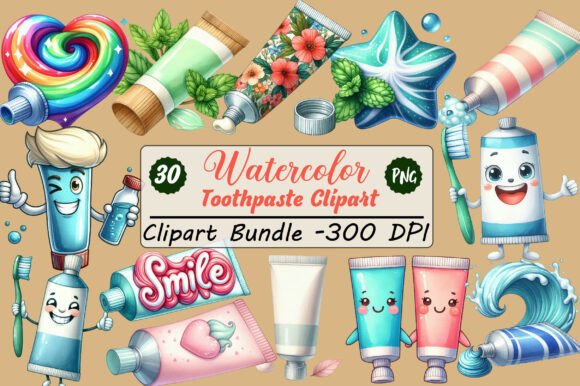
First, let’s break down what we are actually looking at. Toothpaste Clipart, particularly when sourced as high-end digital assets, usually carries a distinct aesthetic. In this specific collection, you are receiving 30 designs in PNG format, featuring both solid color and distressed effects. The "distressed" aspect is crucial here. It gives the graphic a vintage, worn-in texture that feels authentic rather than computer-generated. This texture is perfect for modern typography trends that favor a "lived-in" look.
The visual personality of toothpaste imagery is inherently friendly and clean. It evokes feelings of freshness and care. However, because these files come with transparent backgrounds and a massive resolution of 3600x3600 pixels (300 dpi), they are professional-grade print files. You are not dealing with low-res web graphics that will pixelate on a t-shirt; you are working with assets that can scale up for large signage or down for small sticker sheets without losing integrity. The style bridges the gap between a retro illustration and a modern logo design element, making it surprisingly adaptable for various brand voices.
Strategic Applications: From Apparel to Brand Identity
How does a graphic of a toothpaste tube or swirl fit into a serious design strategy? The answer lies in versatility. As a designer or entrepreneur, you need assets that can function across multiple mediums. This Toothpaste Clipart is ideal for packaging design in the health, wellness, or beauty sectors. Imagine using the distressed version on a "morning routine" subscription box—it instantly sets a thematic tone without needing a paragraph of explanation.
For those in the print-on-demand space, the utility is obvious. The high-resolution PNG files are ready for t-shirt designs, tote bags, and mugs. However, think beyond standard apparel. These graphics work exceptionally well in editorial design. If you are a blogger writing about self-care, morning habits, or retro aesthetics, embedding these graphics into your web design or newsletter headers can break up text monotony and increase reader engagement. The visual hierarchy of your page improves when you use relevant, high-quality imagery to anchor your text blocks.
Furthermore, consider the handmade market. If you create greeting cards, scrapbook elements, or custom stationery, these files are invaluable. The transparent background allows you to layer the Toothpaste Clipart over different textures and patterns seamlessly. You can combine them with a script font for a whimsical feel or a bold display font for a pop-art vibe. The goal is to create a cohesive composition where the image supports the message, whether that message is "clean living" or simply "fun design."
Technical Considerations and Design Workflow
Integrating these assets into your workflow requires a bit of technical awareness to ensure the final product looks professional. The first step is color management. The listing notes that colors may vary due to monitor calibration. This is a standard reality in digital design. When you import the Toothpaste Clipart into your software—be it Photoshop, Illustrator, or Canva—you should use the eyedropper tool to sample colors directly from the graphic to build your font pairing and background palette. This ensures color harmony and strengthens your brand identity consistency.
Next, consider the "distressed" versus "solid" options provided in the pack. The solid color versions are best for projects requiring high contrast and a clean, modern look—think mobile app icons or minimalist web graphics. The distressed versions, conversely, are perfect for direct-to-garment printing where a vintage aesthetic is trending. They blend better with the fabric texture of a t-shirt or the weave of a canvas tote.
When pairing these graphics with typography, pay attention to visual weight. If the Toothpaste Clipart is detailed and busy, opt for a clean sans serif font to avoid visual clutter. If the clipart is a simple, bold silhouette, you might get away with a more decorative handwritten font. Always test your font pairings at the intended print size. A combination that looks great on your 27-inch monitor might turn into a muddy mess when printed on a small sticker.
Licensing and Commercial Usage
For small business owners and marketers, the legal side of design assets is just as important as the aesthetic side. When you purchase a digital download like this, you are typically buying a license to use the art, not the copyright ownership of the art itself. This means you can use the Toothpaste Clipart on products you sell (commercial use), such as t-shirts or mugs, but you cannot resell the digital file itself as a standalone asset to other designers.
Always read the specific license terms provided by the creator. In this case, the creator offers support and encourages you to subscribe for project ideas, which is a great resource for staying inspired. By respecting the licensing terms, you protect your business and support the artists who create these premium fonts and graphics. Ultimately, using high-quality, properly licensed assets elevates your work from "homemade" to "professional," signaling to your audience that you value quality and craftsmanship in every aspect of your brand.