The Goose on the Loose Junk Journal Page: A Whimsical Design Asset
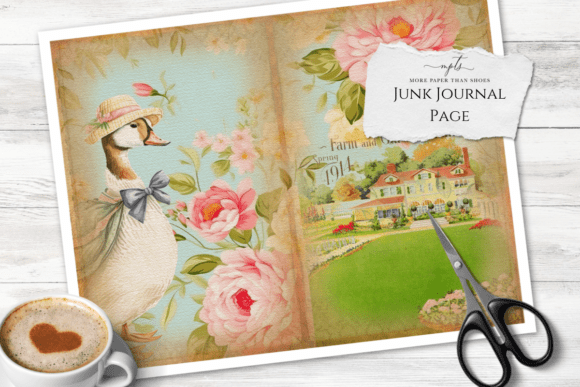
Stepping into the world of The Goose on the Loose Junk Journal Page is like uncovering a forgotten storybook in a sun-dappled attic. This printable background isn't just a collection of pixels; it's a portal to a specific, pastoral moment. At its heart is an elegantly dressed goose, a character with surprising personality, adorned in a bonnet and bow. She stands not in a barnyard, but in a curated scene of lush pink florals and a picturesque farmhouse, all rendered with the soft, dreamy palette of a 1914 watercolor. The aesthetic is a perfect fusion of vintage charm and the modern cottagecore movement, offering a tangible sense of nostalgia and handcrafted warmth.
Visual Personality and Style Analysis
The power of this design asset lies in its detailed yet cohesive visual language. The soft pastel blues, pinks, and greens create an immediate sense of calm and whimsy, avoiding harsh contrasts for a harmonious feel. The aged texture is key; it provides authenticity, suggesting the page has a history, which is invaluable for projects aiming for a shabby chic or farmhouse aesthetic. The illustration style balances realism with a gentle, storybook quality. The goose herself is the focal point, her anthropomorphic charm giving the piece a unique, narrative-driven personality that generic floral backgrounds lack. This isn't just a pattern; it's a scene with a protagonist.
Strategic Applications for Creative Professionals
Understanding where a design asset like this excels is crucial for maximizing its value. Its strength is in its thematic specificity, making it ideal for projects where storytelling and a distinct mood are paramount.
- Brand Identity & Packaging: For a boutique tea company, a local farm-to-table cafe, or a handmade soap business, elements from The Goose on the Loose Junk Journal Page can be used to craft a cohesive brand identity. The farmhouse scene could inspire packaging design for artisanal goods, while the goose character could become a memorable mascot. The color palette directly informs choices for logos, labels, and marketing materials, ensuring consistency.
- Editorial and Publishing Design: In editorial design, this background is perfect for chapter title pages in a cookbook, a recipe card set, or as a full-page illustration in a children's storybook. For publishers, it offers a ready-made visual for a book cover in the cozy mystery or historical fiction genre, immediately signaling the tone to potential readers.
- Digital Presence and Social Media: As a web design element, it can serve as a beautiful hero image for a related blog, a section divider, or a background for a newsletter signup form. For social media graphics, it's a standout choice for Instagram post templates, Pinterest pins, or Facebook banners for crafters, teachers, and lifestyle bloggers, instantly conveying a vintage, handmade ethos.
Influence on Visual Hierarchy and Audience Engagement
The thoughtful composition of this printable background directly influences how an audience interacts with your content. The central goose illustration and the surrounding florals create a natural visual hierarchy. Important text or a call-to-action can be placed over the softer, less detailed areas, such as the sky or the farmhouse, ensuring readability without sacrificing the page's charm. The inherent nostalgia and whimsy of the design trigger an emotional response, fostering deeper engagement. It makes the viewer feel as if they've discovered something special, which can translate into longer dwell times on a webpage or a stronger connection to a physical product.
Practical Guidance for Integration and Pairing
Integrating a detailed vintage asset requires a thoughtful approach to maintain professionalism and clarity. Here is practical guidance for using The Goose on the Loose Junk Journal Page effectively:
- Evaluate Project Fit: This asset is a hero piece. It works best as a dominant background for a single-page spread, a book cover, or a large social media graphic. It may be too detailed for a small icon or a cluttered, multi-column layout. Its personality is strong, so ensure it aligns with the core message of your project.
- Font Pairing is Critical: To complement its vintage, handwritten feel, pair it with a serif font for body text (like a classic book weight) to maintain readability and elegance. For headlines, a script font or a handwritten font can echo the page's personal touch, but use it sparingly. Avoid overly modern sans serif typefaces, which can clash with the aesthetic. The goal is harmony, not contrast.
- Leverage the Color Palette: Pull the soft pastel blue, pink, and green directly from the artwork for your text colors, borders, or other design elements. This creates a unified and professional brand identity. Using a stark black for text might feel jarring; instead, opt for a dark, warm gray or a deep brown derived from the image's aged textures.
- Readability and Layering: When placing text over the background, consider adding a very subtle, semi-transparent layer (a "veil") between the image and the text. This could be a faded cream or a light wash of one of the pastel colors to ensure your message is clear without completely obscuring the beautiful art.
Ultimately, The Goose on the Loose Junk Journal Page is more than a design asset; it's a creative font for visual storytelling. Its value lies in its ability to instantly establish a specific, highly appealing mood. For the crafter, it's a foundation for a cherished project. For the marketer or entrepreneur, it's a tool to build a memorable and emotionally resonant brand. By treating it as the centerpiece it is and making deliberate choices in typography, color, and layout, you can harness its pastoral charm to create work that is both beautiful and strategically effective.