Master Your Budget: The Activity Costs Tracker
Every project, whether it's a community fundraiser, a school field trip, or a weekend workshop, runs on two things: enthusiasm and money. We often have plenty of the first and lose track of the second. The Activity Costs Tracker is a practical design asset built to solve that exact problem. It’s not just a spreadsheet; it’s a financial command center for anyone who manages events or projects. Think of it as a well-organized typeface for your finances—clear, functional, and built for quick comprehension.
Clarity in Design, Clarity in Numbers
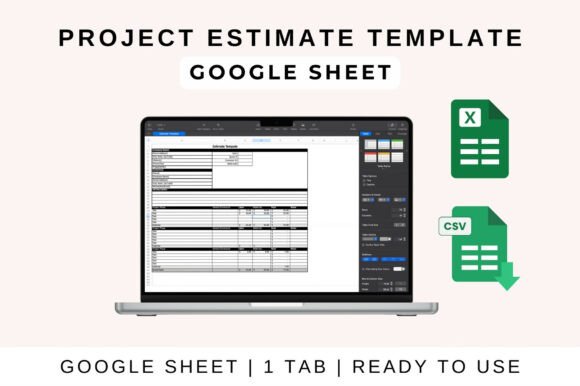
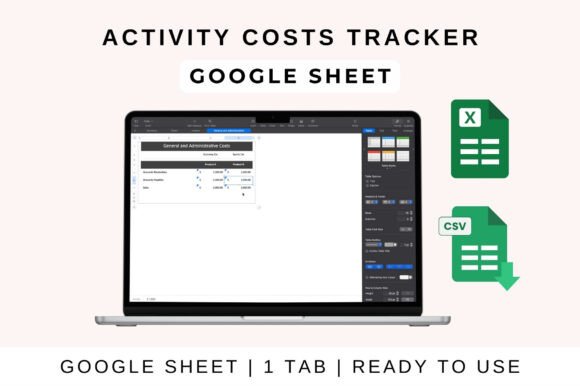
Much like a well-crafted sans serif font, the Activity Costs Tracker prioritizes readability and immediate understanding. Its visual character is clean, professional, and uncluttered. You won’t find decorative flourishes here. Instead, its strength lies in a logical structure with separate columns for activity name, date, cost type, and amount. This is the typography of budgeting: each element has its place, creating a clear visual hierarchy that guides your eye from the big picture down to the line-item details. The personality of this tracker is reliable and transparent, designed to reduce financial anxiety by making every dollar visible and accounted for.
This design philosophy extends to its core functionality. The automatic total cost calculations are the bold headlines of your financial report—they give you the bottom line instantly. Meanwhile, the visual summaries and category-wise breakdowns act as the supporting body text, offering the nuanced story behind the numbers. It’s a system that respects your time and cognitive load, allowing you to shift from data entry to strategic analysis without missing a beat. For a small business owner juggling multiple projects or a content creator planning a launch, this kind of built-in financial clarity is invaluable.
Where This Tracker Shines: Real-World Applications
The true value of any design asset is its versatility. The Activity Costs Tracker is a premium tool for a wide range of professionals and hobbies. Its clean structure makes it a perfect fit for:
- Event Planners & Marketers: Track costs for product launches, pop-up shops, or social media campaigns with precision. Separate vendor payments, venue fees, and marketing material costs to see where your budget is truly going.
- Educators & Group Leaders: Manage class supplies, field trip expenses, or workshop materials. The weekly or monthly tracking options help align spending with academic calendars or project timelines.
- Creative Entrepreneurs & Crafters: Whether you're running a Etsy shop or planning a local craft fair, itemize the cost of materials, booth fees, and shipping. This is commercial font-level control for your production costs.
- Bloggers & Content Creators: Plan the budget for a video series, a podcast season, or a sponsored content trip. Tracking software subscriptions, equipment rentals, and freelance fees becomes straightforward.
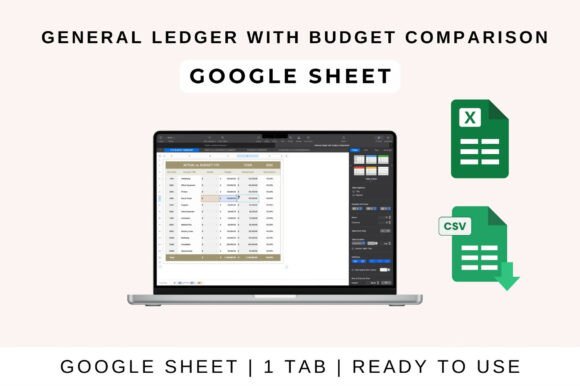
Just as you would choose a script font for a wedding invitation and a bold display font for a poster, you select the Activity Costs Tracker for projects where financial oversight is non-negotiable. Its compatibility with Google Sheets, Excel, and Numbers means it integrates seamlessly into your existing workflow, much like a well-paired font in a brand identity system.
Practical Guidance for Implementation
Adopting a new system is like learning to use a new typeface—it requires a bit of setup to unlock its full potential. Here’s how to get started and ensure it works for you.
- Choose Your Platform and Enter Data: Whether you open it in Google Sheets for easy collaboration or download the Excel version for desktop use, the first step is simple data entry. Treat the columns like the key styles of a font family—use them consistently. Fill in your income and expenses under the relevant categories to activate the automated calculations.
- Customize for Your Brand Voice: The best creative font pairings feel unique. Similarly, don’t be afraid to customize the tracker as needed. Adjust category names to match your business terminology. Add or hide columns. Change the color coding to match your brand’s palette. This transforms it from a generic template into a natural extension of your operational identity.
- Test and Refine Your System: Just as you would test a font’s readability in different sizes, test your tracking system with a small project first. Does the monthly view give you enough granularity? Do you need a separate sheet for a major event? Use the share and collaborate feature in Google Sheets to get feedback from your team, ensuring the system works for everyone involved.
Remember, the goal isn’t just to record expenses, but to gain insight. The category-wise breakdowns are your most powerful tool. They allow you to see if your spending on "Marketing Materials" is disproportionate to "Venue Costs," helping you make smarter allocations in the future. This is modern typography applied to money management—using structure and analysis to create a more effective and beautiful outcome.
In the end, the Activity Costs Tracker is more than a spreadsheet. It’s a foundational design asset for financial planning, bringing the same level of intentionality and clarity to your budget that a professional typeface brings to your visual communications. By implementing it, you’re not just tracking costs; you’re building a more sustainable, transparent, and strategic approach to every activity you undertake.